Starbucks Korea's CEO Ousted Over 'Tank Day' Controversy
Starbucks Korea faces backlash as CEO is dismissed after a promotional campaign sparks outrage over historical insensitivity.

ARNI
Editor-in-Chief · arni-media.com
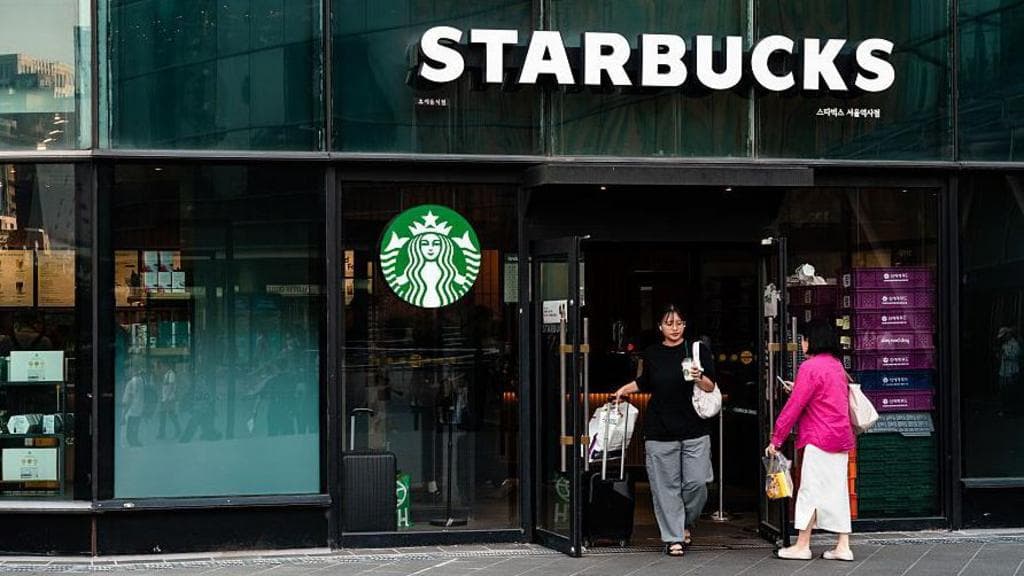
Starbucks Korea's CEO Ousted Over 'Tank Day' Controversy: A Brewing Storm in a Coffee Cup
Starbucks Korea has recently made headlines for all the wrong reasons. A misjudged promotional campaign, intended to be a simple sales booster, instead brewed up a storm of controversy, culminating in the ousting of its CEO. The ill-fated ‘Tank Day’ campaign didn’t just miss its mark; it spectacularly failed, offending a nation and highlighting the perils of cultural insensitivity in business decision-making.
The Crux of the ‘Tank Day’ Catastrophe
The implosion began with an ostensibly innocuous promotional effort designed to drive sales of eco-friendly tumblers. Dubbed ‘Tank Day’, it was meant to convey an image of durability and strength. However, the choice of words ignited outrage by inadvertently referencing the Gwangju Uprising of 1980, a profoundly sensitive historical event in South Korea.
During this tragic chapter, military tanks were dispatched against civilians, resulting in the loss of hundreds of lives. For South Koreans, “Tank” doesn’t evoke images of industrial robustness but instead conjures painful memories of a struggle for democracy and the high price paid for freedom. Thus, a campaign that was expected to boost the company's profits instead catalysed its CEO's downfall.
A Perfect Storm: Public Outcry and Historical Amnesia
Public reaction was swift and unforgiving. Social media acted as a megaphone for the people's outrage, with activists and citizens alike expressing their anger and disappointment. The campaign was seen as a trivialisation of their historical trauma, a glaring display of ignorance from a giant corporation that should have known better.
Starbucks, a brand synonymous worldwide with progressive values and inclusivity, found itself under the harsh glare of public scrutiny. The campaign material quickly vanished, but apologies felt hollow. The damage was irreversible, and trust was shattered. Starbucks Korea was forced to do something drastic, and that something was removing its CEO, a move meant to show accountability and repair its tarnished image.
Lessons in Corporate Responsibility
At the heart of this debacle lies a broader lesson in corporate responsibility and the need for cultural sensitivity. Companies operating on a global scale must remember that their actions are not occurring in a vacuum. They are watched closely, and every move is subject to public evaluation. In an era where consumer sentiment can quickly swing from adoration to outrage, corporations must engage with the communities in which they function. It is not enough to merely employ local talent; understanding the historical and cultural landscape is imperative.
Starbucks Korea's leadership failed to anticipate the public's reaction, highlighting a disconnection from the society they serve. This incident serves as a poignant reminder of the importance of context and the responsibilities brands carry when they become part of a national fabric.
The Real Winners and Losers
In the fallout, who ultimately wins and loses? It's a stretch to call anyone a winner here. Starbucks loses a CEO and must now contend with a tarnished reputation. Yet, amidst the chaos, there is a victory for accountability. Brands are once again reminded of their obligations to the public, and the collective voice of the consumer is reinforced. South Korean citizens emerge as vocal participants in a culture that demands respect and attention to their historical narratives.
The CEO’s departure signals more than a corporate shake-up; it underscores a shifting power dynamic where public opinion wields real influence over big business. In a world where reputational damage can kill brand loyalty overnight, this stands as a cautionary tale for multinational companies. The message is clear: neglect cultural sensitivity at your peril.
For ordinary people, the resonance of this incident reverberates on multiple levels. Firstly, it serves as a reminder that their voices matter and that they can hold corporations accountable. Secondly, it highlights the importance of preserving and respecting historical memory. The Gwangju Uprising is not just a moment in time; it is a testament to the resilience and courage of the South Korean people. Finally, it reinforces the need for vigilance against corporate overreach and insensitivity.
What does the future hold for Starbucks in Korea? In the aftermath, it will need to embark on a careful path of reconciliation and rebuilding trust. The next steps will be crucial. Selecting a new CEO who understands the nuances of the local culture and engages genuinely with the community will be paramount. Moreover, a comprehensive internal review of their marketing policies could prevent similar missteps.
As we look ahead, the saga of 'Tank Day' serves as a stark reminder of the delicate balance between corporate ambition and the moral responsibility owed to consumers. Companies must navigate this terrain with caution, lest they find themselves facing the wrath of a public unwilling to accept anything less than respect and understanding. As the dust settles, all eyes will be on Starbucks Korea to see how it recovers from this gaffe. For now, it's a sobering lesson in the perils of cultural insensitivity and a clarion call for businesses to tread carefully.
Share this story
Stay in the loop
Get ARNI's best stories delivered to your inbox. No spam, unsubscribe anytime.
Subscribe Free →ARNI
Editor-in-Chief · arni-media.comIndependent news publisher and founder of ARNI News. Covering breaking global news, politics, business and technology with clarity and depth.


