Hantavirus Fears: UK Passengers from Troubled Cruise Ship Isolated in Hospital
Passengers from a cruise ship hit by hantavirus fears are being monitored in a UK hospital, raising health concerns nationwide.

ARNI
Editor-in-Chief · arni-media.com
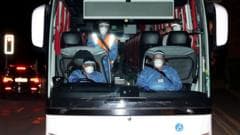
Hantavirus Fears Gripping the UK: Passengers from Troubled Cruise Ship Held in Hospital Isolation
A health scare has once again stirred up global anxiety as passengers returning to the UK from a cruise ship, shadowed by hantavirus concerns, find themselves ensnared in an unexpected quarantine. These individuals, landing on British soil only to be swiftly whisked away to hospital isolation, serve as a stark reminder of the relentless vigilance required in our globalised world. Despite showing no symptoms, their speedy internment highlights the preemptive caution and heightened alertness surrounding viral outbreaks.
A Brief Flirtation with Disaster: The Cruise Ship Chronicles
What was supposed to be a breezy luxury cruise turned into a travel nightmare. The ship in question had been traversing international waters, offering passengers an alluring escape from the mundane. However, lurking below the surface, quite literally, were signs of a potentially deadly viral hitchhiker—hantavirus. This episode is reminiscent of other notorious cruises in recent memory, where idyllic voyages turned into harrowing experiences, thanks to norovirus outbreaks or worse, COVID-19 entrapments. As the global health community shudders at the possibility of another maritime health crisis, these cruise ship tales underscore the inherent risks of travel even in so-called 'controlled environments'.
The decision to isolate passengers swiftly upon their return reflects lessons learned from previous failings. The Diamond Princess incident during the early days of COVID-19 taught us that swift action and uncompromising measures are non-negotiable when infectious diseases rear their heads on the high seas.
Getting to Know Our Enemy: The Nasty Nature of Hantavirus
So, what exactly is hantavirus, and why does it evoke such a definitive reaction? Unlike the freewheeling coronavirus that hops gleefully between unsuspecting humans, hantavirus is a more reserved guest at the zoonotic party. It thrives predominantly among rodent populations, transmitted through their droppings, urine, and saliva. Yet its silent modus operandi doesn't dampen its potential for devastation.
The virus doesn't spread human-to-human, which theoretically limits its impact, but tell that to someone gasping for air under a respirator due to hantavirus pulmonary syndrome. Fatalities are not unheard of, especially when compounded by other health woes. While the UK has managed to keep a lid on hantavirus incidents historically, a whiff of its presence is enough to raise every red flag. We are, as a society, understandably jittery about even the slightest hint of pandemic potential.
Ripples in the Pond: What Does This Mean for You and Me?
For most ordinary Britons, the predicament of quarantined cruise passengers might seem worlds away. But airborne or not, these instances are a grave reminder of how interconnected global health is. One sneeze in a distant land can ripple across oceans, instigating concern—or chaos. As passengers are monitored and tests evaluated, the average person might wonder what this means for their summer holidays, or worse, their daily commute.
The ramifications of anxiety over viral threats seep into societal behavior. Increased caution becomes the norm, and sudden travel cancellations can deliver economic jolts. Businesses, too, experience the tightened grip, as supply chains delay and consumer confidence wavers. This isn't just a matter of health; it's an issue of economic stability and personal freedom. The isolation of a few echoes loudly across the community as priorities are reassessed and measures reinforced.
Winners, Losers, and the Harsh Reality
In the grand chess game of pandemics and public health, who stands to gain and who suffers? The winners, if any, are the public health officials whose egos are slightly cushioned by the execution of clear and decisive action. They are tasked with the unenviable role of safeguarding the populace, often criticised until calamity is averted.
The losers, sadly, are manifold. Passengers, obviously, whose journeys took an unexpected turn. The travel industry, perpetually sandbagged by viral uncertainties, takes another hit in consumer confidence. And we, the people, navigators of this turbulent world, who must continue to adapt and brace ourselves against the timeless foe of disease.
But let's not fool ourselves. This is more than just a story of a few huddled in hospital; it’s a testament to our collective resilience. It proves we’re never too far from the next health alarm, and it starkly exposes the fragility of our modern lives.
The View Ahead: Anticipating the Next Move
So, where do we go from here? As the situation unfolds, keep a watchful eye on the evolving response, not just within the UK but worldwide. The coming weeks will offer clues about how we manage emerging health threats and the lucidity of our crisis communication strategies.
Countries will have to double down on collaborations and transparency in health emergencies. For now, some of us might reconsider our summer cruise plans or simply stash another box of face coverings. But fret not, the world spins on, albeit with a few pandemics in its sidecar.
Share this story
Stay in the loop
Get ARNI's best stories delivered to your inbox. No spam, unsubscribe anytime.
Subscribe Free →ARNI
Editor-in-Chief · arni-media.comIndependent news publisher and founder of ARNI News. Covering breaking global news, politics, business and technology with clarity and depth.


