British Gas Faces Backlash Over Shocking Prepayment Meter Practices
A £20 million settlement reveals the grim reality of how vulnerable customers were treated by British Gas.

ARNI
Editor-in-Chief · arni-media.com
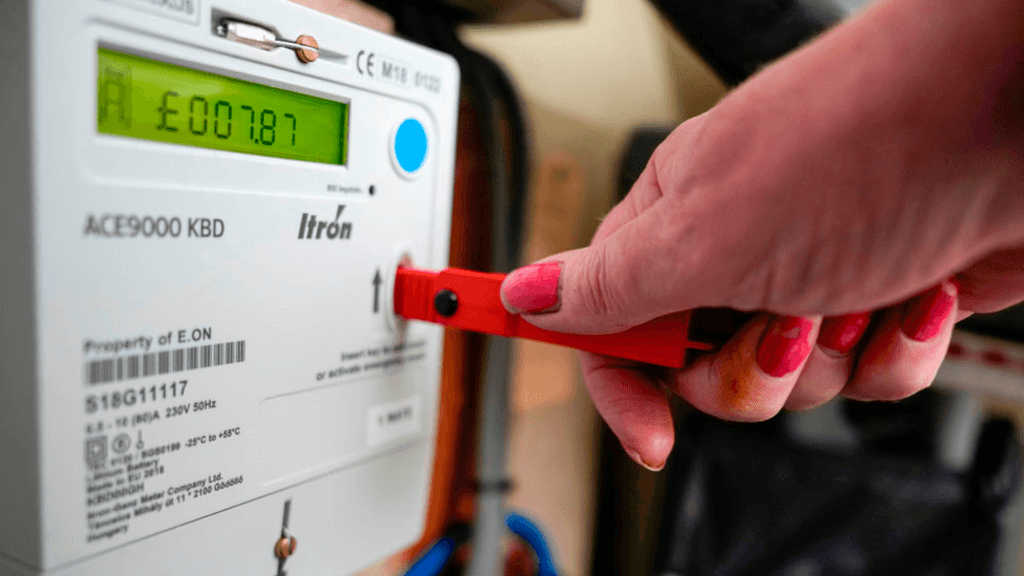
British Gas, once a stalwart symbol of trust in British energy, now finds itself in a swirling vortex of outrage and scandal. The £20 million settlement it faces has pulled back the veil on a reality as cold as the winter nights its customers might now suffer through. Allegations have surfaced that the company has treated its most vulnerable patrons not as invaluable clients but as mere numerical liabilities. Intended to quell public anger, this settlement has instead stoked the embers, fueling a larger debate about corporate ethics at the intersection of commerce and consumer rights.
The Resurrection of Victorian Ruthlessness
British Gas stands accused of resurrecting practices that might as well have been crafted in a Dickens novel. The company, it seems, took a page from the grim playbook of 19th-century debt collection, employing coercive tactics against financially strapped customers. Reports reveal that these modern-day bounty hunters were dispatched to forcibly install prepayment meters, essentially transforming homes into energy prisons where individuals already faced financial despair.
These meters are notorious for their draconian nature. They charge extortionate rates and unceremoniously cut off service when a customer can't keep up, leaving those in poverty in an even more precarious position. British Gas's decision to employ such measures—without considering more humane alternatives—demonstrates a harrowing allegiance to profit over people, a stark illustration of unfettered capitalism that inevitably sparks public fury.
Historical Blunders and Deja Vu
This isn't the first time British Gas has stumbled into controversy. Turn back the clock, and you'll find a history littered with similar missteps, each time promising reform but seemingly learning nothing. Remember the 2014 fiasco over inflated tariffs and poor customer service? The uproar led to an inquiry that recommended sweeping reforms—yet here we stand, none the wiser. The ghost of past blunders seems forever to haunt the halls of British Gas, making the notion of genuine change appear as credible as a politician's promise.
Parallel incidents can be found in other industries. Banking giants like Wells Fargo have faced similar criticism for treating customers as mere statistics, only reforming when caught in the harsh spotlight of public scrutiny. These repetitions in corporate behaviour suggest that lessons are seldom learned, and meaningful change too often comes at the cost of public trust.
Impact on the Common Consumer
What does this scandal mean for the average citizen? For starters, it erodes the already tenuous trust between consumers and energy providers. When people can no longer rely on companies to act ethically, cynicism festers, and faith in the system dwindles. The common household, especially those teetering on the financial edge, now faces an environment where the basic necessity of energy is weaponised against them. The distress caused by sudden service cuts cannot be overstated; families may face nights without heating, impacting not just comfort but health and well-being.
The financial burden is exacerbated for those forced onto prepayment meters. Forced to pay higher rates, these families see their budget stretched to breaking point. In a country where energy costs are already at an all-time high, this additional strain is more than justifiable cause for public outrage. When the warmth of your home becomes a luxury, we must ask, "Who is truly paying the price for corporate greed?"
The Winners and Losers
It's clear who loses in this sordid affair—the everyday consumer who expects fairness but receives exploitation instead. But who emerges victorious? Certainly not British Gas, whose reputation is now tinged with scandal, nor its executives, who must now scramble to patch the sinking ship with PR spin.
But perhaps this scandal will light a fire under regulatory bodies and consumer advocacy groups, empowering them to push for more stringent checks on corporate behaviour. At the very least, it forces energy companies to look in the mirror and realise that public goodwill is a finite resource. If you exploit it, expect consequences not just in courtrooms but in the court of public opinion.
This debacle unmistakably signals a need for overarching reform. Corporate interests have overshadowed consumer rights for too long, and if nothing else, this scandal should catalyse change. Customers must be heard, respected, and valued—principles that should be business as usual, not revolutionary concepts.
So, what comes next? All eyes will be firmly fixed on regulatory bodies and their response to this debacle. Will they merely slap wrists, or will genuine regulatory overhauls be forthcoming? The public will also be watching British Gas, hoping for substantive change rather than mere lip-service promises.
The future of the energy sector hangs in balance, and the route we take could well determine the relationship between business and consumer for years to come. This scandal serves as a cautionary tale, a stark warning of what happens when profit trumps principle. If British Gas wishes to regain trust, it must turn this crisis into a turning point, not just another chapter in its litany of mistakes.
Share this story
Stay in the loop
Get ARNI's best stories delivered to your inbox. No spam, unsubscribe anytime.
Subscribe Free →ARNI
Editor-in-Chief · arni-media.comIndependent news publisher and founder of ARNI News. Covering breaking global news, politics, business and technology with clarity and depth.


