AI Anxiety: Graduates Booing the Former Google Chief Signals a Growing Concern
Eric Schmidt faced a frosty reception as graduates voiced their fears over AI's impact on job prospects.

ARNI
Editor-in-Chief · arni-media.com
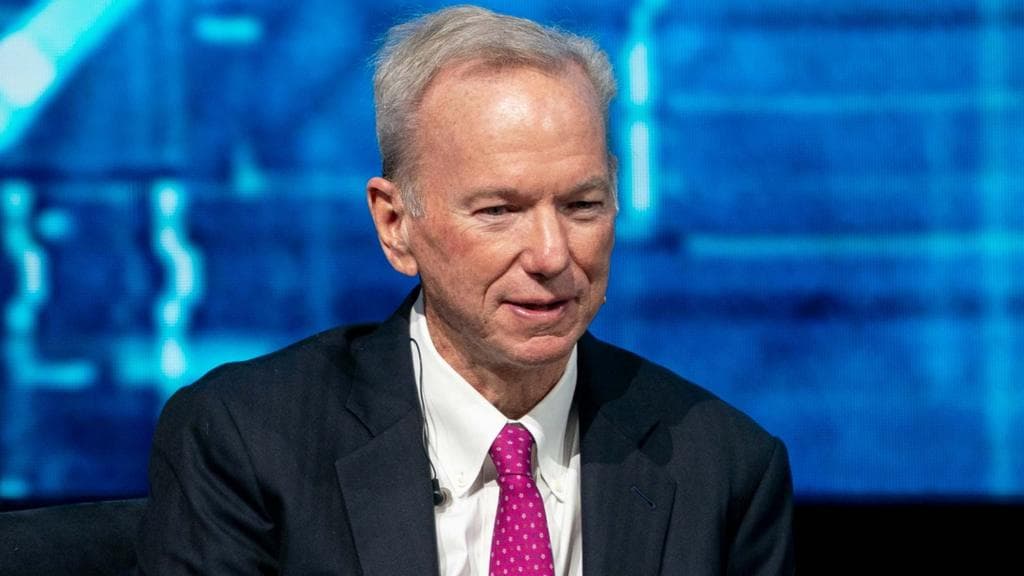
Eric Schmidt Faces the Music: AI Anxiety Among Graduates
In an age where tech titans are often hailed as modern-day oracles, one might expect a warm reception for a former Google chief. Yet, when Eric Schmidt took to the podium to address a fresh cohort of graduates, the reception was anything but celebratory. Anticipating a smattering of applause, he was instead greeted with boos — a clear signal of the growing discontent regarding artificial intelligence and its looming impact on the job market. This incident isn’t just a footnote in the annals of awkward public speeches; it’s a clarion call echoing the rising tide of AI anxiety.
An Icy Welcome for Tech’s Former Visionary
During his tenure at Google, Eric Schmidt was lauded as a visionary, steering the tech behemoth to unprecedented heights. However, in the current climate, being an architect of technological advancement is akin to being a harbinger of employment doom. As Schmidt extolled the virtues of AI, graduates met his words with open disdain rather than open arms.
This cold reception isn't just the result of youthful impulsiveness. It's borne of a tangible fear, rooted in the rapid evolution of AI technologies that promise to reshape — or obliterate — traditional job roles. The specter of automation haunts the job market like a Dickensian ghost, with graduates fearing that positions they once considered secure might soon become obsolete.
The Historical Echoes of Technological Disruption
Technological revolution isn’t a novel concept. The Industrial Revolution in the 18th century sparked similar fears as machines began replacing human laborers. It revolutionized industries but at a significant social cost. This technological shift mirrors today’s AI advancements, where once again, machines threaten to surpass the workforce.
Throughout history, innovation has been a double-edged sword. The Luddites of the 19th century famously railed against mechanized looms, fearing for their livelihoods. Today, AI technologies, from algorithms to autonomous systems, stand at the forefront of modern disruption, promising efficiency and progress but also job displacement. The apprehension exhibited by the graduates isn’t new; it’s a contemporary ripple in an ongoing saga of technological progress versus human labor.
Who Comes Out on Top in the AI Revolution?
The tech industry’s relentless pursuit of AI is a boon for some but a bane for others. Companies investing in AI see gains through automation, reducing costs and increasing productivity. However, on the flip side, the workforce faces an existential crisis.
For graduates, the landscape appears desolate. The promises of AI, which include unprecedented advancements in healthcare, transportation, and even climate solutions, fail to quell their fears about job security. For every tech mogul celebrating AI’s potential, there are hundreds of young professionals wondering what their future careers might look like, if they exist at all.
One cannot ignore the winners and losers in this scenario. While tech giants and shareholders reap the benefits of AI, ordinary workers stand on uncertain ground, balancing the allure of technological progress with the stark reality of potential unemployment.
What This Means for the Man on the Street
For the average graduate, this AI anxiety translates to tangible worries about their livelihood. It’s not just about understanding algorithms but comprehending their role in a world where machines can handle complex tasks once reserved for humans.
While AI might perform rote tasks more efficiently, it’s the creative, empathetic, and critical thinking roles that humans hoped to hold onto. Yet even these are under threat as AI grows more sophisticated, capable of producing art, writing articles, and making strategic decisions. It begs the question: what will be left for human workers?
As AI continues to advance, those in lower-skilled positions face the greatest immediate threat, but the tendrils of automation are reaching into every sector, leaving no stone unturned. This looming uncertainty has left many scrambling to future-proof their careers, seeking roles that AI cannot yet replicate.
Looking Ahead: The Future of Work and AI
The digital age is hurtling forward, with AI steering the wheel. The booing incident is but a symptom of a larger issue — a disconnect between technological advancement and societal preparedness. Governments, educators, and industry leaders must come together to address the gap between AI capabilities and employment realities.
The urgency of reskilling and upskilling has never been more paramount. Educational institutions need to evolve alongside technology, equipping students with the skills demanded by an AI-driven economy. Moreover, policymakers must step in, creating safety nets to support those whose jobs are most at risk.
Keep an eye on AI’s trajectory and its inevitable impact on the workforce. The question is not if AI will change the world of work but how society will adapt and whether it will keep up with the pace of change. The graduates’ boos are a reminder that the stakes are high, and the time to act is now.
Share this story
Stay in the loop
Get ARNI's best stories delivered to your inbox. No spam, unsubscribe anytime.
Subscribe Free →ARNI
Editor-in-Chief · arni-media.comIndependent news publisher and founder of ARNI News. Covering breaking global news, politics, business and technology with clarity and depth.


