Trump Dismisses Iran's Demands as Tensions Escalate: What's at Stake?
Heightened tensions between the US and Iran as Trump calls Tehran's conditions 'totally unacceptable.'

ARNI
Editor-in-Chief · arni-media.com
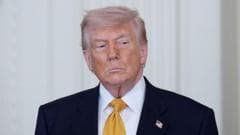
Trump's Bold Stance: Igniting Fresh Fury
Donald Trump, never one to shy away from controversy, has once again stirred the pot by flatly rejecting Iran's latest demands. His dismissal of Tehran’s conditions has not merely added fuel to a fire but thrown a whole canister of petrol onto a blaze already raging on the world stage. With a characteristic flair for drama, Trump’s rejection encompasses more than a refusal; it’s a defiant posture in a history already rife with tension.
Iran, emboldened by its strategic positioning and a populace weary of sanctions, called for a lifting of the naval blockade, recognition of its sway over the Strait of Hormuz, and reparations for what it deems unlawful wartime damage. However, Trump, ever the showman, has not only said no, he’s uttered an emphatic "absolutely not." This is not just a rejection of demands but a message that the U.S. plays by its rules, or rather, Trump's rules.
Decades-Old Discord: Why This Matters Now
To truly grasp the current debacle, one must rewind to 1979 when Iran’s revolutionary regime reshaped the geopolitical landscape. Iran’s transformation from a U.S.-backed monarchy to an Islamic Republic marked a dramatic shift in Middle Eastern power dynamics. The notorious American embassy hostage crisis ensued, etching a permanent sense of distrust between Tehran and Washington. Each turn in their frosty relationship, from nuclear deals to economic sanctions, has been a chess piece in a game where neither side is willing to surrender their sovereign dignity.
Trump's tenure, marked by a renegade approach to diplomacy, brought no solace. Instead, he dismantled the painstakingly negotiated Iran nuclear deal, opting for a maximum pressure strategy. His recent snub of Iran’s demands is thus an extension of his hardline tactics. It embodies a continued narrative of confrontation that bucks the diplomatic norms in favor of a more brute-force approach.
The Real Stakes: Translating Geopolitics to Everyday Life
For the everyday people of both nations, and indeed the world, these political machinations translate into tangible consequences. For Iranians, U.S. sanctions are not just political tools but harsh economic realities. Skyrocketing inflation, a battered currency, and a scarcity of essential goods make life an arduous struggle. The rejection of Iran's terms means no reprieve in the short term.
Meanwhile, Americans and their allies aren't untouched by this saga. Continuous friction with Iran has spiraled energy prices at times, affecting everything from the cost of a tank of petrol to supermarket prices. The Strait of Hormuz, through which a significant portion of the world’s oil passes, remains a tinderbox. Tensions here can send shudders through global markets, casting shadows over economic stability worldwide.
Winners, Losers, and the Signals Sent
In this elaborate geopolitical ballet, there are undoubtedly winners and losers. Trump appears to emerge as an alpha in the eyes of his supporters. His unyielding stance plays well to a domestic audience that applauds no-nonsense leadership. Meanwhile, Iran's regime uses this as a rallying call against foreign oppression, strengthening its grip internally by fanning nationalist fervor.
However, ordinary citizens on both sides are the real losers. As politicians trade barbs and flex their muscles, the prospects for economic relief and security diminish. Tensions serve as a convenient smokescreen for domestic failings, allowing leaders to blame foreign foes for troubles closer to home.
This confrontation signals more than a mere diplomatic breakdown. It’s a harbinger of a potentially larger showdown. Both nations seem set on a collision course, and with each rebuffed demand, the prospect of dialogue dims further.
Looking ahead, all eyes will likely turn to regional allies and adversaries. Will Europe step up as a mediator, or will Russia and China exploit the growing chasm for their strategic advantage? The stakes extend beyond bilateral relations, potentially redefining alliances and enmities in a volatile region.
As the world watches, the question remains: Will cooler heads prevail, or are we inching closer to conflict? One thing is certain; this chapter in U.S.-Iran relations is far from its denouement.
Share this story
Stay in the loop
Get ARNI's best stories delivered to your inbox. No spam, unsubscribe anytime.
Subscribe Free →ARNI
Editor-in-Chief · arni-media.comIndependent news publisher and founder of ARNI News. Covering breaking global news, politics, business and technology with clarity and depth.


