Winds of War: Is America's Iran Standoff Spiralling Out of Control?
With nuclear talks faltering, the US hints at military readiness as tensions with Iran simmer.

ARNI
Editor-in-Chief · arni-media.com
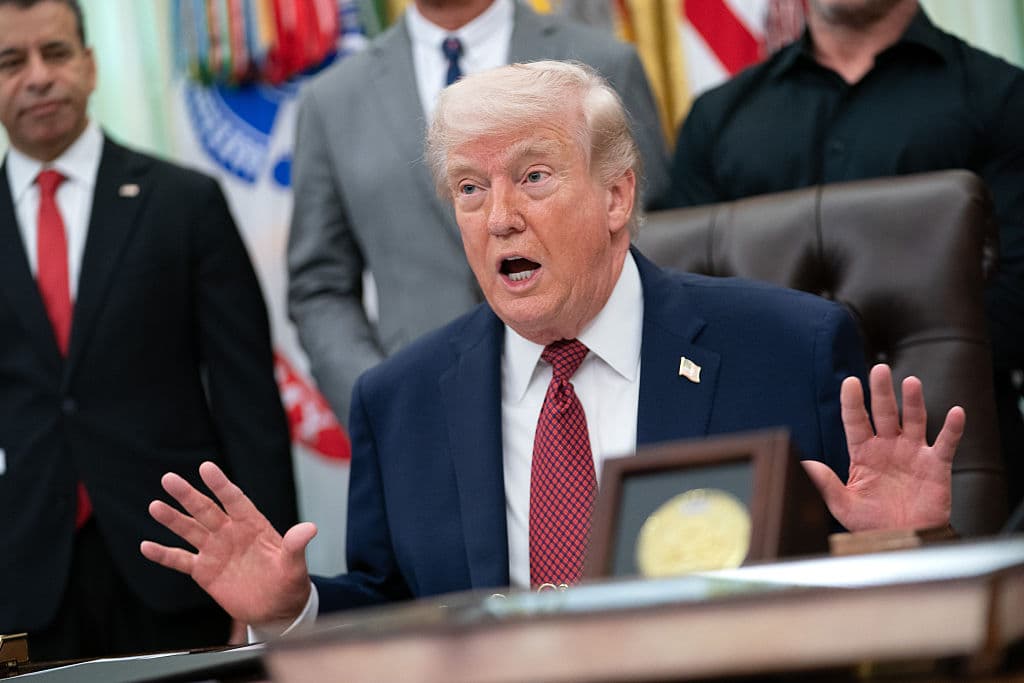
America is rattling its sabres once more over Iran, signalling that the hitherto elusive nuclear deal might be slipping further away into the diplomatic ether. The United States has issued a stark warning that it could be capable of resuming hostilities if an agreement with Iran remains beyond reach. Such bravado might arrest headlines, but it also raises questions about the future of diplomacy in the Middle East.
Trump's Legacy Haunts Biden's Diplomacy
Donald Trump, a man whose approach to foreign diplomacy could generously be described as unconventional, set the stage for the current impasse. His administration pulled out of the Joint Comprehensive Plan of Action (JCPOA) in 2018, a deal that had previously put a lid on Iran's nuclear ambitions. Trump's strategy was to isolate Tehran, throttling it with sanctions while roaring that Iran must never develop nuclear arms.
Fast forward to today and President Biden finds himself caught in a foreign policy quagmire. The attempt to walk back from Trump's maximum pressure doctrine in hope of diplomatic reconciliation is proving to be a Herculean task. Yet, Biden's team is left clutching the remnants of a stalled negotiation, with Iran's nuclear capabilities not only still on the agenda but reportedly expanded.
The political landscape in Washington doesn't aid Biden's case. The Republicans, ever eager to display their hawkish credentials, circle like vultures, ready to pounce at any sign of conciliatory weakness towards Iran. On the other hand, Democrats are split, with progressives advocating for peace over posturing.
Iran's Calculations: Defiance Amidst Sanctions
Iran, meanwhile, is no greenhorn when it comes to geopolitical chess. The regime in Tehran has weathered sanctions and isolation before, and it's not about to yield easily. Internal politics are equally fractious, with hardliners gaining the upper hand and pushing back against perceived U.S. arrogance.
For Iran, nuclear capability is a trump card—no pun intended—that can't be lightly forfeited. Historically, the nation has viewed nuclear development as a gateway to regional influence and a deterrent against foreign intervention. A hardball approach thus prevails, with Iran leveraging its uranium enrichment milestones as pressure points against the Western bloc.
Yet, everyday Iranians are bearing the brunt of this high-stakes standoff. Sanctions have crippled the economy, leaving citizens grappling with inflation and unemployment. To them, Western posturing over nuclear capabilities likely seems a distant concern compared to the daily grind of economic hardship.
Whose War is it Anyway?
At the heart of the matter is a perennial question: Who ultimately gains from reigniting military conflicts? In the eyes of defence contractors and Pentagon hawks, another confrontation might seem tantalisingly profitable, yet the human cost would be staggering.
The Middle East is a soup of fragile alliances and powder keg conflicts. A skirmish with Iran could unravel further chaos, inflaming tensions from the Israeli border to the Persian Gulf. Neighbouring states already teetering on the edge of instability could find themselves engulfed in conflict not of their own making.
Meanwhile, public opinion in the United States is notably war-weary. After two decades of service members returning home in flag-draped coffins, Americans are far from eager to plunge into another military entanglement. For Biden, who promised to end 'forever wars', saber-rattling risks significant political fallout.
What's Next in the Diplomatic Ballet?
The clarion call for renewed negotiations between Washington and Tehran rings louder than ever, but with each passing day, the chasm grows wider. The ghosts of past failures hang heavy over any attempt to pen a new deal.
Both nations must weigh their options and intentions carefully. Does the United States have the political will to re-engage diplomatically, or is it teetering towards conflict? Will Iran find some common ground to halt its nuclear progression?
In the coming months, diplomatic channels will either open or close, with ripple effects likely spanning the globe. Savvy observers will be watching not just for gunboat diplomacy but for quiet, behind-the-scenes negotiations that could redefine Middle Eastern geopolitics.
The world waits with bated breath to see if diplomacy can indeed recalibrate this delicate balance or if we are, once again, on the precipice of conflict.
Share this story
Stay in the loop
Get ARNI's best stories delivered to your inbox. No spam, unsubscribe anytime.
Subscribe Free →ARNI
Editor-in-Chief · arni-media.comIndependent news publisher and founder of ARNI News. Covering breaking global news, politics, business and technology with clarity and depth.


