US Demands Allies Pull Their Weight in Asian Security
The US isn't abandoning Asia, but it's time for partners to step up their defense game.

ARNI
Editor-in-Chief · arni-media.com
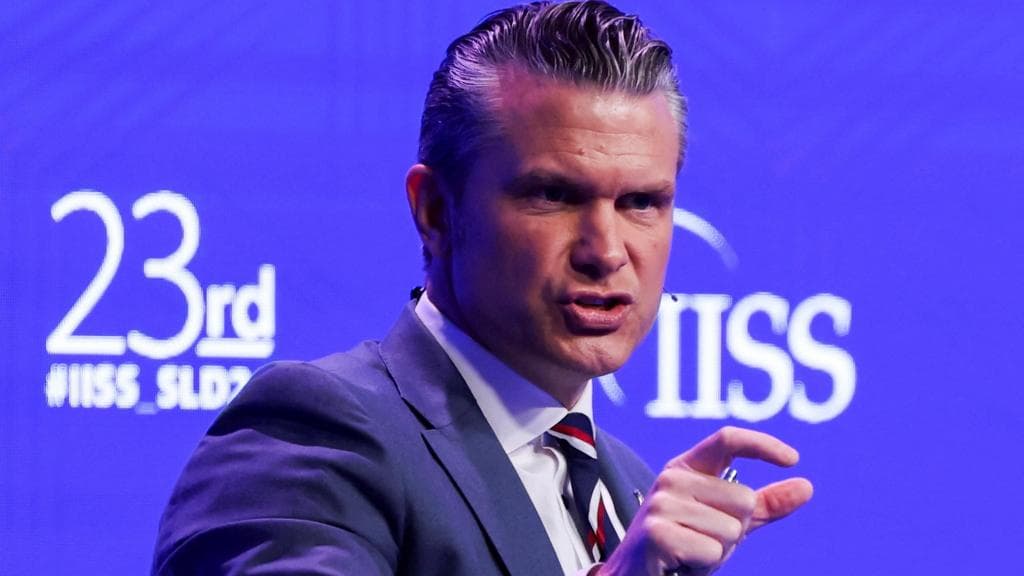
The United States is making it clear that while its commitment to Asian security remains firm, the era of free-riding is coming to an end. At a recent security summit in Singapore, US Defense Secretary Pete Hegseth emphasized that allies in Asia must bolster their own defense capabilities. This message, while couched in diplomatic niceties, rings like a shot across the bow to nations content with American protection without paying the dues.
The American Security Umbrella Isn't Free
For decades, countries across Asia have leaned heavily on the security umbrella provided by the US military might. Pacts and treaties with Japan, South Korea, and others have not only ensured regional security but have also allowed these countries to focus on economic growth without the overheads of a massive military budget. However, this status quo is facing unprecedented scrutiny as geopolitical tensions rise, particularly with China's assertive expansionism.
Hegseth's comments in Singapore underline a policy shift that has been brewing under successive US administrations. The Trump administration made headlines with its 'America First' rhetoric, often chastising allies over inadequate defense spending. Under Biden, the tone might be less confrontational, but the substance remains. The US wants its partners to take on a fair share of the burden.
This isn't just about money, though that's certainly a part of it. The US is also keen on technology sharing and joint development programs that would enhance the defense capabilities of its allies. Armament deals, like those recently inked with Japan and South Korea, are both a carrot and a stick — incentives to beef up defenses and a reminder that the US expects more than mere dependency.
Why Asia Must Stand Up
Asia is no longer the backwater of global politics it once was. The region is now a central hub of economic and military power plays, with China leading the pack in terms of both GDP and military spending. As Beijing flexes its muscles in the South China Sea and along the Indian border, other Asian nations find themselves squeezed between allegiances to an old protector and the reality of an assertive neighbour.
China’s Belt and Road Initiative (BRI) is spreading its influence far and wide, often accompanied by military hardware sales and security-based friendships. For countries like the Philippines and Vietnam, this poses both an economic opportunity and a strategic threat. The US’s insistence that its allies increase their defense spending is not just about countering China; it's about ensuring their alignment.
But let's be clear: asking Asian nations to spend more on defense isn't just Washington passing the buck. There's an understanding that a more capable alliance in Asia can act as a deterrent not just to China, but to rogue states like North Korea. Bolstering defenses means not only better safeguarding individual nations but raising the security profile of the entire region.
The Economic Tightrope
Boosting defense spending raises questions about where the money will come from and what might be the opportunity cost. Japan, for example, has faced both constitutional restraints and public reluctance about military expansion. However, increasing threats have shifted political will, leading to the loosening of post-war military restrictions.
South Korea finds itself in a complex position, balancing the immediate threat from its northern neighbour with economic relationships that are deeply intertwined with China. Increasing military budgets while navigating economic dependencies requires finesse that not every government possesses.
For Southeast Asian countries, the scenario is even trickier. Nations like Indonesia and Malaysia are emerging markets where even a modest increase in defense spending can strain national budgets, diverting resources from education, infrastructure, and welfare. Yet, in a world that demands tough choices, ignoring beefed-up defenses could leave them vulnerable both economically and politically.
What Lies Ahead
The US's call for more robust Asian defenses isn't an isolationist pullback but a strategic recalibration. Expect more military exercises, joint technology programs, and perhaps more contested arms deals. Asian countries will need to assess their priorities, balancing between safeguarding national security and expanding their role in a multipolar world.
For the immediate future, keep an eye on how Asian allies respond to this call. Will Japan push ahead with its military expansion plans? Will South Korea reassess its North Korea strategy? And what of smaller nations like the Philippines, whose strategic choices could alter regional dynamics?
If Asia heeds Washington’s call and enhances its defenses, the US’s longstanding presence might become even more deeply enmeshed. This could ensure regional stability or, if mishandled, could accelerate divides. As always in the world of geopolitics, the devil is in the detail, and Hegseth's words in Singapore were but a prelude to the complexities ahead.
Share this story
Stay in the loop
Get ARNI's best stories delivered to your inbox. No spam, unsubscribe anytime.
Subscribe Free →ARNI
Editor-in-Chief · arni-media.comIndependent news publisher and founder of ARNI News. Covering breaking global news, politics, business and technology with clarity and depth.


