Ebola Threat Looms Large in DR Congo: Regional Concerns Intensify
With Ebola's threat level elevated to 'very high' in the DR Congo, regional anxiety mounts, while the global risk remains 'low.'

ARNI
Editor-in-Chief · arni-media.com
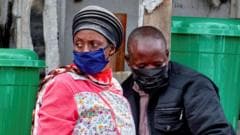
Ebola Resurges in DR Congo: A Crisis Defying Borders
The Democratic Republic of Congo (DRC) is once again on the edge of an Ebola crisis as health officials have escalated the virus's threat level to 'very high.' From the streets of Kinshasa to the remote villages near infected zones, anxiety is rife. The World Health Organization (WHO) assures us globally that the threat remains 'low,' but regional tensions are simmering. It's a familiar story, a chapter in an ongoing saga of struggle against a virus that refuses to be tamed.
A Historical Glimpse into Persistent Hardships
The DRC has been here before, trapped in a continuous loop of disease and despair. Since Ebola was identified in 1976 near the Ebola River, ironically lending its name to its harbinger, this virus has been an unwelcome guest in the region. Over the decades, outbreaks have followed one after another, each more crippling than the last. The specter of Ebola is a grim fixture in the national consciousness, ravaging lives and health infrastructure with merciless regularity.
Time and again, the Congolese government has had to rally international support to battle this beast. The crisis reveals the deep cracks in the country's healthcare system, a system that lacks adequate resources, coordination, and the ability to respond swiftly. Efforts to combat Ebola have often been thwarted by misinformation and mistrust among the public, a direct consequence of past missteps and cultural misconceptions.
Regional Anxiety: Borders Cannot Contain Fear
While the threat may seem localized, Ebola knows no borders, and neither does the fear it incites. Neighboring countries are on high alert as the potential for cross-border transmission looms large. People in Uganda, Rwanda, and Burundi know too well the difference a single infected traveler can make. Cross-border trade and movement, essential for livelihoods, complicate efforts to isolate the disease. Each checkpoint, each border crossing is a potential flashpoint for an outbreak beyond the DRC.
The economic ramifications of this anxiety are profound. Trade routes that fuel regional economies are now under threat, and businesses face uncertainty as governments may impose travel restrictions to prevent the virus from seeping through their borders. The delicate dance of diplomacy and health security is underway, with regional cooperation essential yet fraught with challenges.
The Impact on Ordinary Lives: A Tenuous Existence
For the people of the DRC and its neighbors, the return of Ebola is not just a health crisis—it's a disruption of everyday life. Markets emptied, schools shuttered, and a pervasive sense of uncertainty cripples community resilience. For families already living hand-to-mouth, the threat of Ebola is a cruel reminder of how quickly life can spiral out of control.
Healthcare workers face immense pressure, often at great personal risk. They are the front-line heroes, yet they remain woefully under-equipped and underpaid. The psychological toll on those in the outbreak zones is immense, living in constant fear that a simple fever could presage something more sinister.
Who Gains and Who Loses: The Real Signals Behind the Headlines
In this relentless cycle of crisis and response, there are winners and losers, as cold as it sounds. The pharmaceutical companies stand to gain once their vaccines and treatments are in demand. Countries willing to extend aid might gain diplomatic leverage, adding another layer of politics over an already complex landscape.
However, it is the ordinary people who invariably lose the most. They bear the brunt of governmental failures, of under-funded health initiatives, of the world's indifference until the situation bleeds across borders. The world must remember that these are people, not just numbers in a tally of infections.
The renewed vigor of Ebola in the DRC is a testament to global health's failure to learn from its past. Every outbreak is hailed as a lesson learned until the next one, when the same mistakes rear their ugly heads. The signal here is clear: until the world sincerely invests in robust health systems and community trust, these stories will continue to play out in an endless loop.
As the world looks on, hopefully not in apathy but with genuine action, we must ask ourselves: What will finally prompt us to break this cycle?
Looking beyond the immediate crisis, we must shift our gaze to the future. How we respond today will dictate what unfolds tomorrow. We should watch for increased international cooperation, particularly in developing vaccines and fortifying health infrastructure. The establishment of a regional task force might sound like a reasonable next step, a united front that can act swiftly should the virus skip borders. More importantly, consider the grassroots efforts—educating communities, dispelling myths, and building trust, because ultimately, that's where the war against Ebola will be won or lost.
Share this story
Stay in the loop
Get ARNI's best stories delivered to your inbox. No spam, unsubscribe anytime.
Subscribe Free →ARNI
Editor-in-Chief · arni-media.comIndependent news publisher and founder of ARNI News. Covering breaking global news, politics, business and technology with clarity and depth.


