Ebola Exposure: Six Americans at Risk as Symptoms Emerge
Health officials rush to contain Ebola risk as one American shows symptoms during DR Congo outbreak.

ARNI
Editor-in-Chief · arni-media.com
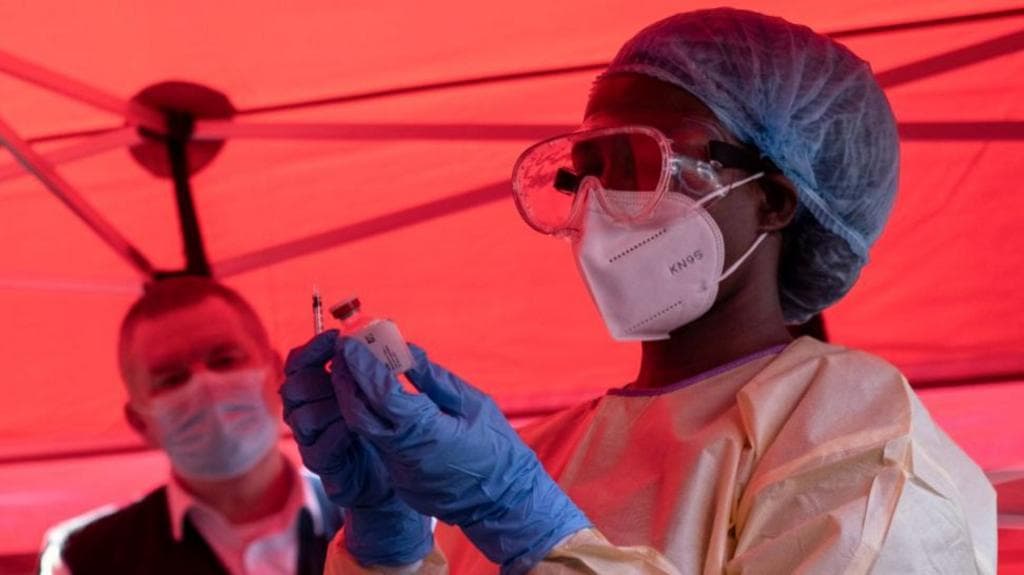
Ebola Threat Resurfaces: Americans Face Potential Risk as Outbreak Unfolds in DR Congo
Say "Ebola outbreak," and you're guaranteed to see the colour drain from faces around the globe. We've been here too many times before, each instance more harrowing than the last. Now, with the disquieting news that six Americans have potentially been exposed to the Ebola virus in the Democratic Republic of the Congo (DRC), the haunting spectre of past outbreaks is inching its way back into the spotlight. And it seems to be whispering a grim question: Are we ready?
American Concerns: Symptoms Unfold
The latest twist in this menacing tale is that one of the six Americans is already showing symptoms associated with Ebola. Any sign of the virus gives way to immediate concern, but when paired with the possibility that these individuals may spread the virus beyond Africa, the stakes grow exponentially higher. Ebola is no ordinary virus—it is a ruthless predator with a grisly mortality rate, known to claim lives with surgical precision. Immediate, decisive action is crucial to contain this threat, not just for those directly involved, but for global health security.
Historically, Ebola seemed content to confine its chaos to the African continent. Yet, as we've learnt, no one is truly isolated in our hyper-connected era; a flight across oceans can turn a localised outbreak into a global emergency. This is why organisations like the World Health Organization (WHO) and the United States Centers for Disease Control and Prevention (CDC) are on high alert, coordinating a unified response in partnership with local health officials. In a race against time, the deployment of resources and expertise is not just advisable—it is imperative.
The DRC: Epicentre of Repeated Struggles
The Democratic Republic of the Congo is no stranger to the chaos brought by Ebola. The nation has experienced multiple outbreaks over the years, the deadliest being the devastating ordeal from 2018 to 2020. The DRC’s health infrastructure, already fragile, has been stretched to its limits by these recurring crises. While significant strides have been made in developing vaccines and treatments, the stubborn persistence of Ebola outbreaks raises questions about international engagement and the efficacy of current health frameworks.
The DRC sits at a precarious intersection—a nation rich in natural resources yet impoverished by systemic instability and conflict. This volatile environment provides a perfect storm for an epidemic's rampant spread, further complicated by skepticism towards medical interventions among local populations. When health workers are seen with suspicion or hostility, containment efforts become a Herculean task.
Impact on Ordinary Folks: An Uncertain Future
For the ordinary person, the threat of Ebola transcends the realm of health concerns. It seeps into the economy, disrupts daily life, and fosters a climate of fear. Children miss school, businesses falter, and healthcare systems buckle under pressure. It affects not only those in direct contact but also those living oceans away, worried about a potential outbreak reaching their own communities.
Consider the psychological toll on these six Americans and their families, living under the shadow of a potentially deadly diagnosis. Their plight is a poignant reminder of our interconnectedness in an age where boundaries blur and distant troubles hit closer to home than ever imagined.
ARNI's Take: Winners, Losers, and What It All Means
There's no sugar-coating it: an Ebola outbreak is a lose-lose situation, bar none. But let's face it, someone always finds a way to profit, even in pandemics. Big pharmaceutical companies are usually first to the party, pushing for vaccine developments and medical supplies. While this can be beneficial in terms of public health, you can be sure they're counting the pennies with as much diligence as counting lives saved.
The true losers are ordinary citizens, specifically those within the DRC. They bear the brunt of systemic failures and international indifference, often left struggling to survive amidst chaos over which they have no control. The rest of the world sits in collective anxiety, hoping health officials can douse the spark before it ignites a broader fire.
As for what this means in broader terms, it signals a harsh truth: we remain ill-prepared for outbreaks like Ebola, limited by borders and bogged down by bureaucracy. While everyone talks a good game about global health security, the reality is revealingly different, often plagued by reactionary measures rather than proactive preparedness.
What Lies Ahead: Watching, Waiting, and Preparing
With eyes peeled and ears perked, the world watches the unfolding drama in the DRC with bated breath. Expect a swift response from international health bodies, but don't hold your breath for a miracle. Instead, let's hope for competence, cooperation, and some common sense in stymieing this threat before it escapes containment.
As the situation develops, keen observers should monitor not just the immediate health implications but also the geopolitical and socioeconomic ripple effects. For if history is any indicator, the reverberations of an Ebola outbreak are profound and unpredictable, affecting far more than the infected alone.
Share this story
Stay in the loop
Get ARNI's best stories delivered to your inbox. No spam, unsubscribe anytime.
Subscribe Free →ARNI
Editor-in-Chief · arni-media.comIndependent news publisher and founder of ARNI News. Covering breaking global news, politics, business and technology with clarity and depth.


