Bucharest's Housing Crisis: New Apartment Prices Soar by 25% in Just One Year
Rapidly rising housing costs in Bucharest are pushing homeownership out of reach for many.

ARNI
Editor-in-Chief · arni-media.com
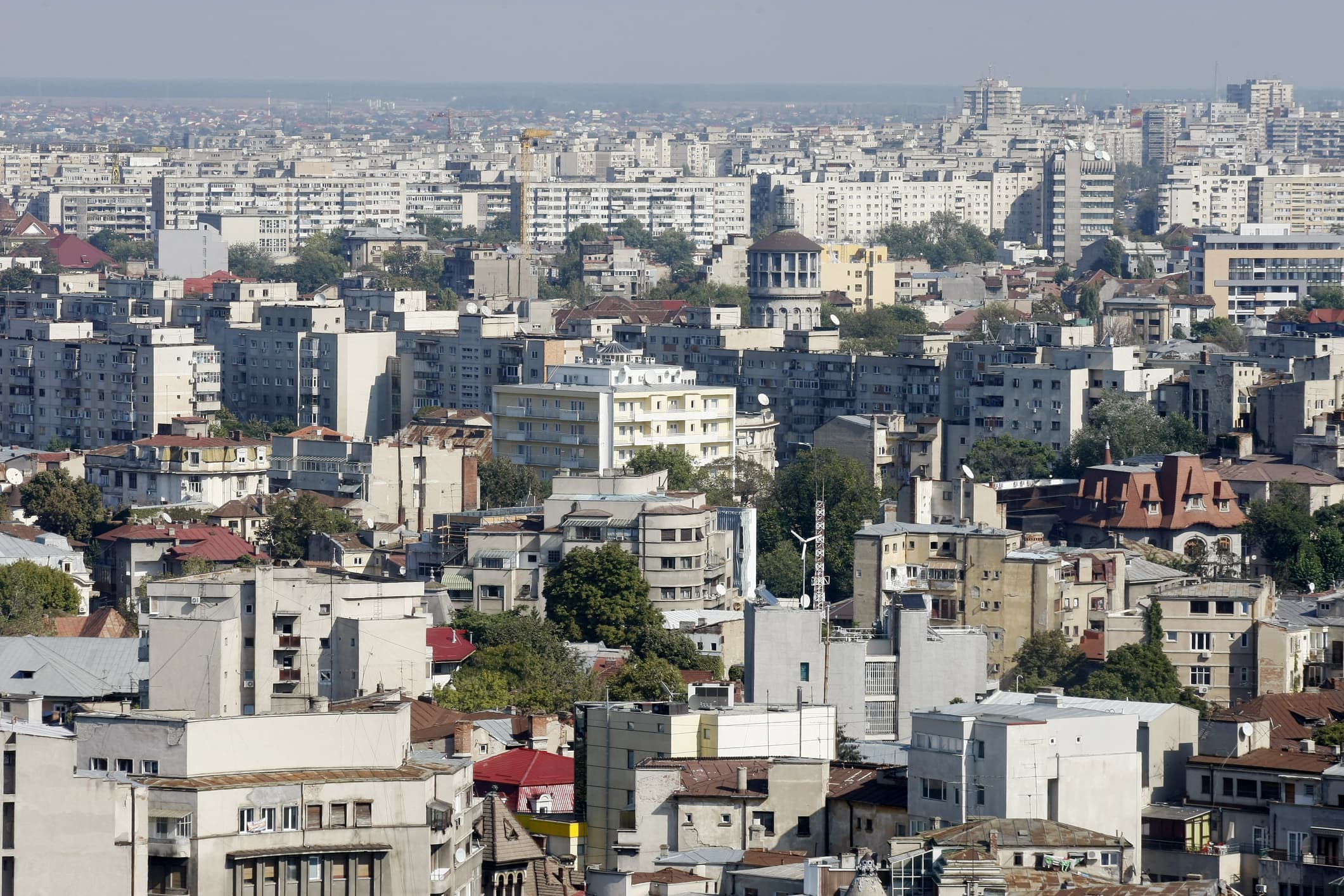
Bucharest's housing market isn't just simmering; it's boiling over, and ordinary Romanians are caught in the scalding chaos. With new apartment prices rocketing by a jaw-dropping 25% in just one year, homeownership has morphed into a mirage for many. Picture trying to hold water in your hands; no matter how hard you try, it slips away. That's the grim reality haunting potential homebuyers in the capital city, where aspirations of owning property are now mere pipe dreams.
The Roots of an Urban Financial Quagmire
Understanding Bucharest's housing crisis requires a step back in time, to the era when the city and Romania at large were emerging from the shadows of Communist rule. The fall of Nicolae Ceaușescu in 1989 marked the beginning of a new era, a period of economic upheaval and reconstruction. Over the decades, Bucharest began to reinvent itself, drawing in foreign investors like moths to a flame.
The allure was clear: low operating costs, a vibrant cultural scene, and a workforce hungry for opportunity. Multinational corporations, especially in tech and service sectors, set up shop, transforming the city into a bustling hub of economic activity. However, this influx of capital and business acumen didn't come without its pitfalls. The cost of living rose steadily, and with it, property prices spiralled upwards, pushed by both demand and the influx of international money seeking lucrative investment opportunities.
More Than Supply and Demand: An Economic Cocktail
It's easy to blame the skyrocketing prices on simple supply and demand principles, yet Bucharest's housing dilemma is tangled up in a more intricate web. Foreign investment has, undeniably, played a massive role. Investors, often detached from the local economic realities, poured money into the real estate market, driving prices beyond the reach of the average Romanian. This external capital influx created an unbalanced playing field, where locals, even those with steady incomes, found themselves priced out of their home city.
But it's not just foreign investors turning the screws. Local developers, sensing the potential for profit, also jumped on the bandwagon, pushing prices higher still. Meanwhile, the Romanian government has struggled to react effectively. Paralyzed by an array of bureaucratic constraints and, at times, political inertia, it has been unable to put the brakes on this runaway train without risking the wrath of the very investors it hopes to attract.
The Costs for Ordinary Bucharest Residents
For working-class Romanians, the ramifications are deeply personal and painfully felt. Picture young couples eager to set down roots, only to find themselves trapped in eternal rental cycles with no hope of escape. Picture families crammed into small apartments, dreaming of more space and better futures for their children. The housing crisis isn't just an economic issue; it's a social one, where the chasm between aspiration and reality grows ever wider.
The ripple effects extend far beyond immediate housing woes. With such a substantial portion of income swallowed by rent or mortgage payments, less remains for essentials such as healthcare, education, and savings. This strain feeds into a broader socio-economic malaise, one that echoes tales from other global cities like London and New York where housing has become a privilege rather than a right.
The Winners and Losers: A Stark Assessment
So, who actually benefits from this mess? Certainly not the average Bucharester, who finds themselves ever more squeezed. The winners here are the property moguls and international investors, those who treat the city as a giant Monopoly board, indifferent to the human cost of their profits.
The real tragedy is that this isn't merely a Bucharest problem. It reflects a global trend where economic growth and prosperity leave ordinary citizens behind. At this rate, the city risks becoming a playground for the wealthy, a cautionary tale of what happens when unchecked capitalism meets urban development.
Looking ahead, the question is whether Bucharest can balance its booming international appeal with the needs of its residents. The Romanian government faces a critical test: to develop policies that protect local buyers without alienating the foreign investments that keep parts of the economy afloat. Watch for policy shifts, potential market regulations, and grassroots movements demanding change. The city's future depends on how these forces play out, and whether the vision of Bucharest includes room for everyone.
Share this story
Stay in the loop
Get ARNI's best stories delivered to your inbox. No spam, unsubscribe anytime.
Subscribe Free →ARNI
Editor-in-Chief · arni-media.comIndependent news publisher and founder of ARNI News. Covering breaking global news, politics, business and technology with clarity and depth.


