Abandoned in Enemy Territory: Ex-Soldier's Plea from Russian Prison
Hayden Davies reveals feelings of neglect and isolation while imprisoned in Ukraine.
ARNI
Editor-in-Chief · arni-media.com
Abandoned in Enemy Territory: Ex-Soldier's Plea from Russian Prison
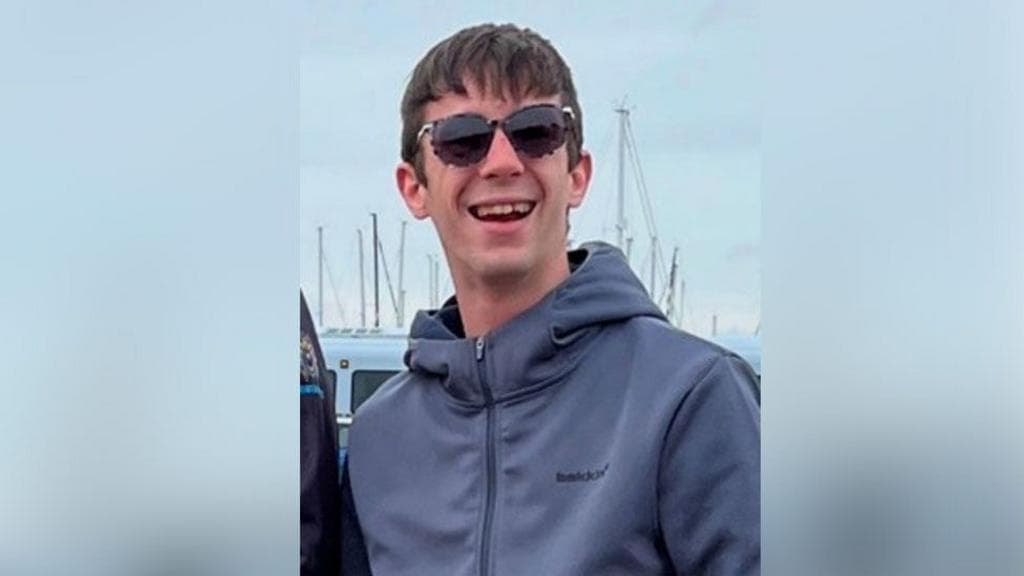
Hayden Davies, once a man of valor in the British Army, now finds himself in a torturous purgatory, forgotten behind the iron bars of a Russian-controlled prison in Ukraine. Davies's current predicament underscores the complex geopolitical chessboard that defines modern warfare, where soldiers are pawns and their lives collateral damage of larger political ambitions. His plight is not just about personal isolation but speaks volumes about the indifference of governments towards their own patriots once they fall into the jaws of an enemy they didn’t officially confront.
The Unfortunate Journey to a Russian Cell
The drama surrounding Davies’s current captivity is a microcosm of the wider conflict between Russia and Ukraine. When Russia embarked on its modern-day expansionist campaign, Ukraine was left to fend off an imperialistic bear with limited international support. Despite this, volunteers like Davies, driven by a sense of duty and perhaps seeking purpose beyond civilian life, crossed borders to aid a sovereign nation in peril. However, this act of courage is not without its perilous cost. Captured by Russian forces, Davies became a pawn in a grand geopolitical tug-of-war, his bravery turning into a source of personal torment.
Davies’s ordeal has echoes of historical military misadventures. Not unlike the British soldiers who were marooned in Nazi territories during the Second World War, or the American POWs left to languish during the Vietnam conflict, Davies's story is a testament to how soldiers become footnotes in the narratives spun by those in power. Deemed a non-entity by the country he once served, Davies' letters paint a portrait of profound betrayal and abandonment, casting shadows on the promises of unilateral support professed in political speeches.
Political Parallels and Key Players
The geopolitical machinations that ensnare Ukraine are hardly new, yet the cast of characters in this tragic play remain consistent. Vladimir Putin, the architect behind Russia's aggressive posturing, remains resolute in restoring the former Soviet influence over Eastern Europe. His chess opponent, Ukrainian President Volodymyr Zelenskyy, has shown remarkable resilience, galvanizing his nation against an overwhelming force with little more than grit and national pride.
However, the outcome of this power play hinges on Western support, particularly from the United Kingdom and the United States. Herein lies the bitter irony for Davies, who seems to have been discarded by the very allies Ukraine relies on. While diplomatic efforts and economic sanctions make headlines, the human cost of these geopolitical tensions languishes in obscurity, personified by men like him who dared to fight in a war not theirs.
The Human Impact: What This Means for Ordinary People
For the average citizen, Davies's predicament is a stark reminder of how detached the lives of ordinary soldiers are from the glittering rhetoric of international politics. While world leaders negotiate and make speeches, the real burden of discord falls on individuals crushed under its weight. Families of soldiers like Davies endure sleepless nights and suffer the anxiety of unanswered questions, their lives hanging in a balance dictated by diplomatic engagements far beyond their control.
Moreover, Davies's situation serves as a cautionary tale about the uncertainties lurking behind voluntary military engagement in foreign conflicts. It questions the extent to which governments extend their arm of support and how far they are willing to go to reclaim those caught behind enemy lines once the media spotlight dims.
The Sharp Edge: Who Wins, Who Loses?
In any geopolitical confrontation, the winners and losers are rarely those fighting on the ground. Russia gains an upper hand by weaponizing the fate of foreign volunteers, adding leverage in negotiations. The Ukrainian cause, while noble, finds itself diluted by the complex political stratagems where human lives are reduced to bargaining chips. The ordinary soldiers, whose idealism and bravery initially propelled them into the fray, find themselves degraded to mere footnotes in larger histories.
Meanwhile, Western nations stand to lose moral ground. Their inability to advocate effectively for individuals like Davies not only threatens to strain alliances but also erodes trust among troops and volunteers who may harbor doubts about the integrity of their leaders' pledges. It’s an unbecoming portrait of political hypocrisy where simple human decency gets lost amidst grandstanding.
Davies symbolizes those whose lives have been disrupted without recognition, and whose sacrifices are overshadowed by the larger narratives of power and politics. For him and others alike, the consequences of their sacrifice are a stark reminder of how easily soldiers become forgotten casualties of wars unabated.
As the conflict continues, one must look at what lies ahead. Will international diplomacy bring about meaningful change or provide respite to those like Davies caught in the crossfire? The world must watch whether Western leaders’ commitments to their soldiers stand true beyond words, ensuring that individuals aren’t abandoned in enemy territory, literally or figuratively.
Share this story
Stay in the loop
Get ARNI's best stories delivered to your inbox. No spam, unsubscribe anytime.
Subscribe Free →ARNI
Editor-in-Chief · arni-media.comIndependent news publisher and founder of ARNI News. Covering breaking global news, politics, business and technology with clarity and depth.


